Empowering Cancer Warriors: Navigating Diagnosis, Treatment, and Wellness Strategies
Navigating a cancer diagnosis can feel like being thrown into choppy waters without a life vest. Yet, here you are, reading this, which is the first step towards taking back control of your journey. Whether you’re a recently diagnosed patient, supporting a loved one, or perhaps a seasoned cancer survivor, understanding the complexities of oncology—from diagnosis to treatment—is crucial. There’s an undeniable power in knowledge, and in this blog, we’ll share essential insights into your cancer journey, highlighting the importance of awareness, education, and support.
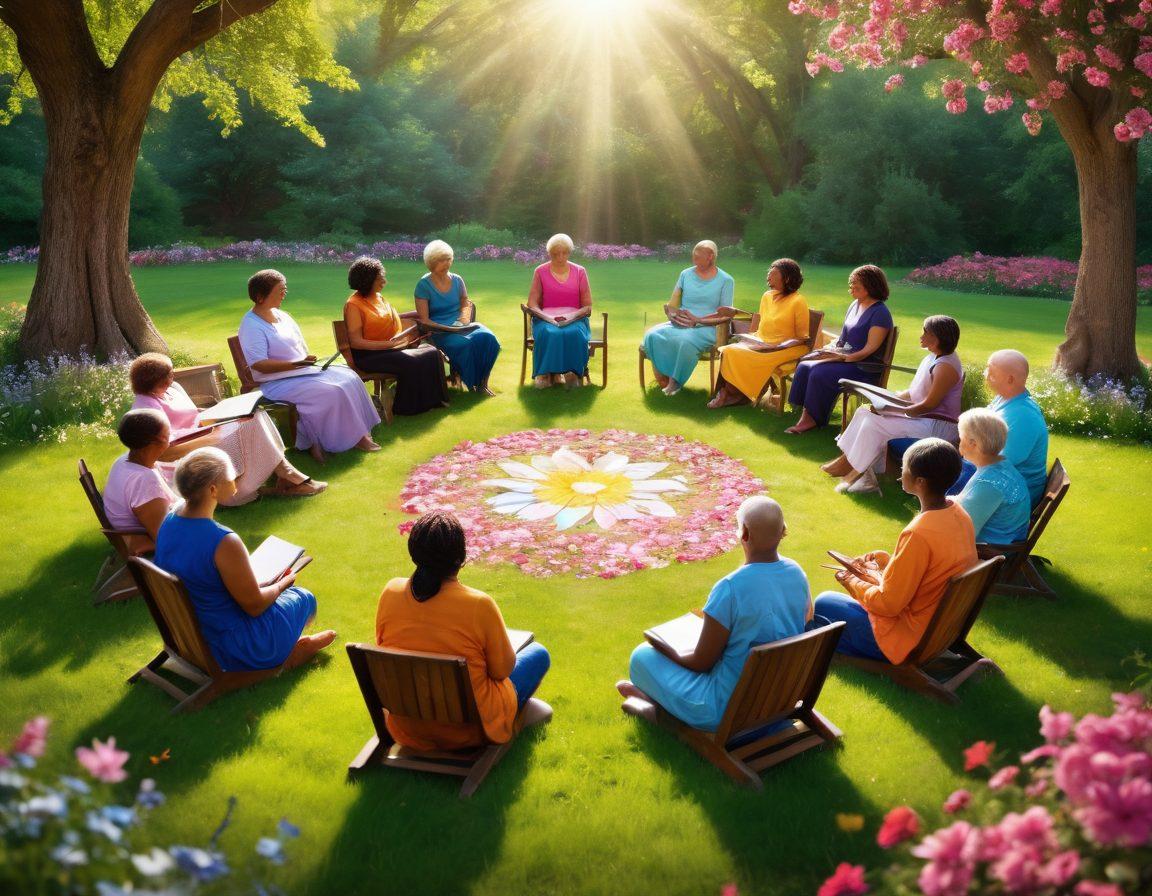
When faced with a diagnosis of a malignant tumor, it's normal to feel a whirlwind of emotions. Questions flood your mind: 'What does this mean for my life?' 'What treatment options are available?' It's important to remember that you’re not alone on this path. Engaging with cancer support groups can connect you with others who understand what you’re going through. These groups provide not only emotional support but also valuable health information and wellness resources that can aid in navigating the turbulent waters of cancer care.
Once you have the essential information, the next step is to explore treatment options—chemotherapy, radiation therapy, and immune therapy are just a few routes many patients consider. Each option comes with its own set of challenges and triumphs. But remember, every journey is unique! As a cancer warrior, you have the power to advocate for yourself. Engage with your healthcare providers, ask questions, and understand the benefits and side effects of each treatment. Empower yourself by researching current research studies and emerging therapies, and don’t hesitate to seek second opinions. Your health and wellness are paramount!
Lifestyle changes can also play a significant role in your cancer journey. Involving nutrition for cancer patients shouldn’t feel like a chore; rather, think of it as a fresh start. Incorporating whole foods, balanced diets, and holistic health practices can improve your overall well-being. And let’s not forget about mental health support. Your mind and body are interconnected, and ensuring that you are mentally and emotionally grounded can bolster your strength against cancer. Have you considered meditation or yoga? Or perhaps joining a local support group where sharing personal stories and experiences can uplift your spirits?
Finally, as your journey progresses, it’s essential to focus on symptom management and palliative care. While we often think of cancer as a terminal illness, it is crucial to remember that many cancer survivors lead fulfilling lives post-treatment. Preventive health and awareness campaigns can serve as a constant reminder that health is a journey, even beyond cancer. By educating yourself and others on cancer prevention measures, you become a beacon of hope. So, what will be your next step on this journey? Will you dive deeper into alternative therapies, or perhaps start planning your wellness routine? Whatever it is, make it a step towards healing and hope.
Empowerment Through Knowledge: Health Strategies for Cancer Warriors
Empowerment through knowledge is the cornerstone of navigating the tumultuous path of cancer diagnosis and treatment. If you or a loved one has recently received a cancer diagnosis, it's natural to feel overwhelmed. The word 'malignant' suddenly shifts perspectives, doesn’t it? However, understanding the intricacies of your health can transform fear into empowerment. Equipping yourself with health information is not just a precaution; it’s a pivotal step in becoming your own advocate in the realm of oncology. So how do you turn the tide in your favor?
Start by familiarizing yourself with your specific diagnosis. Knowledge is power, especially in the world of cancer care. Understanding the distinctions between various tumor types, the stages of cancer, and treatment options like chemotherapy and radiation therapy can help you engage in informed discussions with your healthcare team. Ask questions—lots of them! The more you know, the better equipped you are to make decisions about your treatment and lifestyle changes. Consider joining cancer support groups; these forums often become a treasure trove of cancer education and personal stories that can inspire and motivate you on your journey.
Lifestyle changes can drastically impact your health and wellness. Nutrition for cancer patients is a critical topic that often gets overlooked. Who would have thought that what you eat can dramatically influence your treatment outcomes? Incorporating foods rich in antioxidants and vitamins can bolster your immune system and serve as a complementary therapy alongside conventional treatments like immune therapy. Keep in mind, though, that every journey is unique; what works for one cancer survivor may not work for another. Hence, staying informed about research studies and evidence-based practices is crucial!
Mental health support is equally important. Did you know that emotional well-being is a vital aspect of holistic health for cancer warriors? Stress and anxiety can hinder your body’s ability to fight disease, making it imperative to prioritize self-care. Find ways to manage symptoms effectively, whether through meditation, counseling, or alternative therapies. There’s magic in sharing your fears and triumphs with others who understand your struggle. After all, every story shared is a candle that lights the way forward for both the speaker and the listener.
Lastly, advocacy extends beyond your personal journey; it's about paving the way for future warriors. Participate in awareness campaigns, volunteer for health and wellness initiatives, and share your personal stories to inspire others. Remember, every voice matters, and together we can create a stronger network of support. You have the chance not just to endure but to thrive—to transform your diagnosis into a springboard toward preventive health and resilience. Are you ready to embrace a journey filled with knowledge and empowerment?
Building Resilience: Wellness and Support for Every Stage of Cancer Care
Imagine facing a diagnosis that turns your world upside down. One moment, life seems predictable; the next, you’re navigating a sea of medical jargon, treatment options, and the emotional turmoil that comes with it. In cancer care, building resilience is crucial—not just for surviving the illness but for thriving through it. This journey is not just about managing a malignant tumor; it's about redefining wellness and finding a robust support system that empowers you during every step of your cancer journey.
The path from diagnosis to recovery can be filled with obstacles and challenges. So how do you rise above these hurdles? As cancer warriors, the strength to advocate for yourself is paramount. Engaging with patient advocacy can open doors to valuable health information, from understanding treatment options like chemotherapy or radiation therapy to exploring cutting-edge research studies in oncology. Sharing your symptoms with healthcare professionals, asking the right questions, and becoming an active participant in your health care can lead to better outcomes. Remember the quote: "Your health is an investment, not an expense." Why not invest wisely?
Holistic health is often an overlooked aspect of cancer care, yet it can play a pivotal role in your journey. Integrating wellness resources—like mental health support, nutrition for cancer patients, and alternative therapies—can significantly uplift your spirit and enhance the immune system. Have you considered how lifestyle changes can complement your cancer treatment? Perhaps keeping a food journal or discussing health tips with your support group can inspire you to adopt a healthier daily routine. By nourishing your body and mind, you are not just fighting cancer; you are also reclaiming your life.
Cancer support groups offer a unique platform for connection and shared experiences. Personal stories are powerful, and they remind us that we are not alone in our fight. Have you ever found solace in knowing someone else understands your struggles? Joining these communities can provide emotional refuge during tough times. Engaging in awareness campaigns and sharing your journey can also help others on their road to recovery. Remember, your voice holds power; use it to inspire and educate others.
Finally, let us not forget about the significance of preventive health and palliative care. As you progress through various stages of cancer care, assessing your long-term well-being is essential. Discuss with your healthcare provider about ongoing symptom management and strategies that ensure your quality of life remains a priority. Reassess your goals, lean into wellness strategies, and take small, effective steps toward sustained recovery and resilience. After all, true wellness isn't just about surviving cancer—it's about living fully and meaningfully. Are you ready to take charge of your cancer journey?